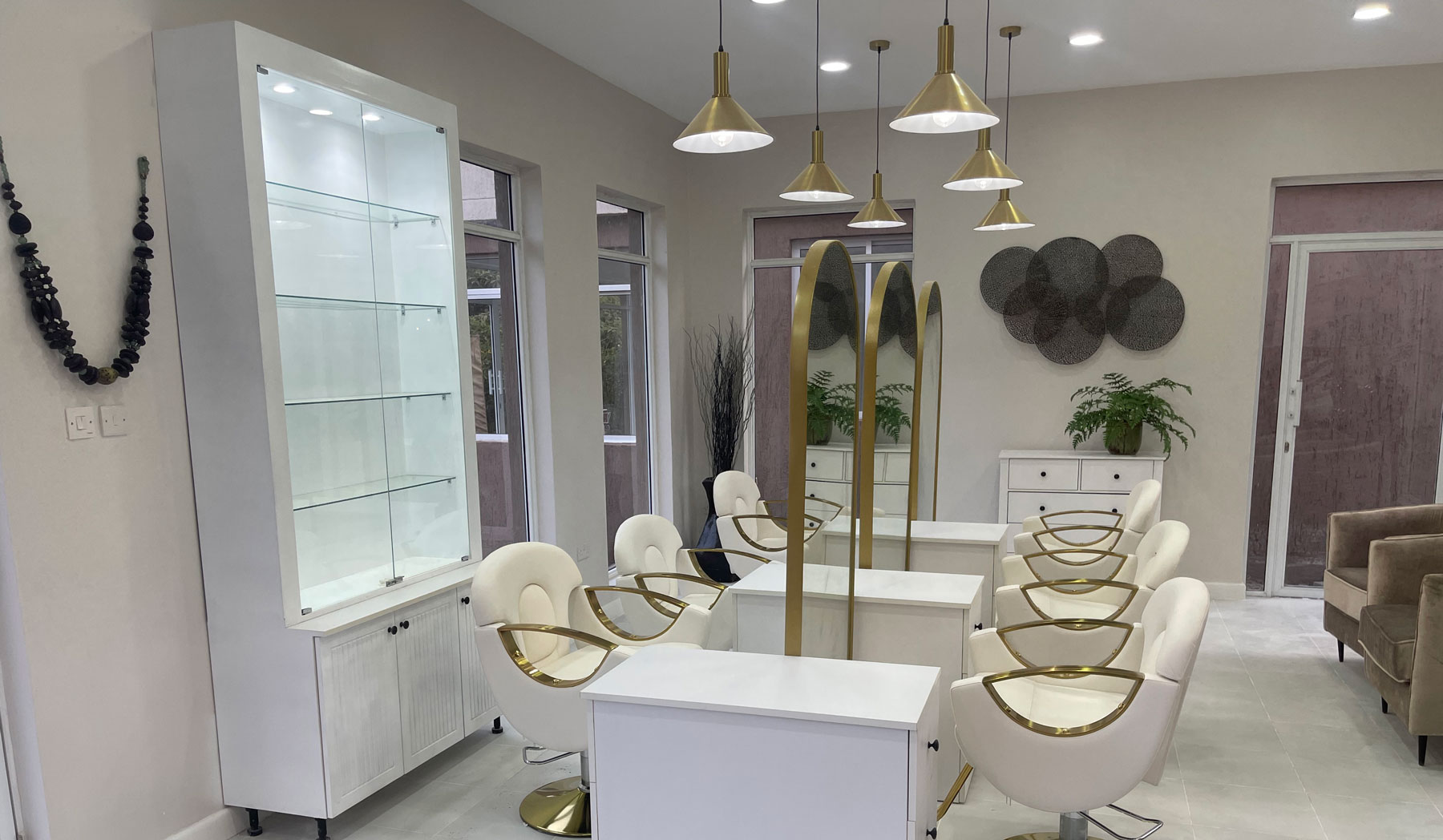

Picture this: You’ve just purchased your dream home in Karen or Runda. The architecture is stunning, the location is prime, and the potential is limitless. Yet when you walk through those empty rooms, you face a critical decision that will define your living experience for decades to come.
Do you furnish it with beautiful pieces from Nairobi’s high-end furniture stores, or do you invest in bespoke interior design that’s crafted specifically for your lifestyle, space, and vision?
For Nairobi’s discerning homeowners, this isn’t just about aesthetics—it’s about creating spaces that reflect their success, values, and unique story. Today, we’re exploring why Kenya’s elite consistently choose custom interior design over off-the-shelf solutions, and how this decision transforms not just their homes, but their daily lives.
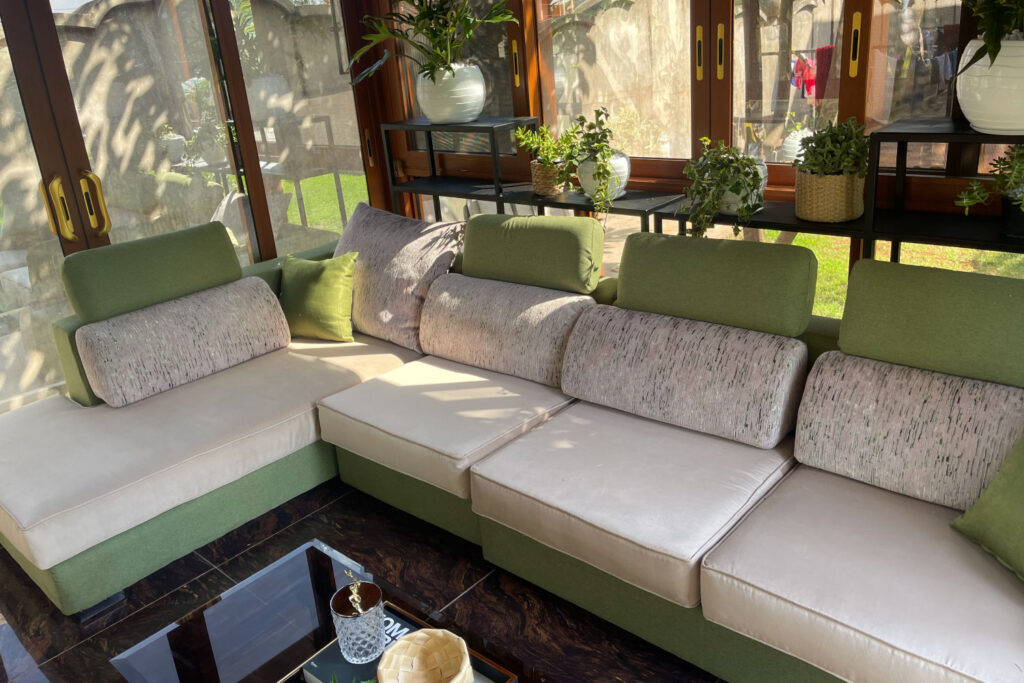
In Nairobi’s competitive social landscape, your home speaks before you do. While anyone with sufficient funds can purchase expensive furniture, bespoke interior design offers something far more valuable: absolute uniqueness.
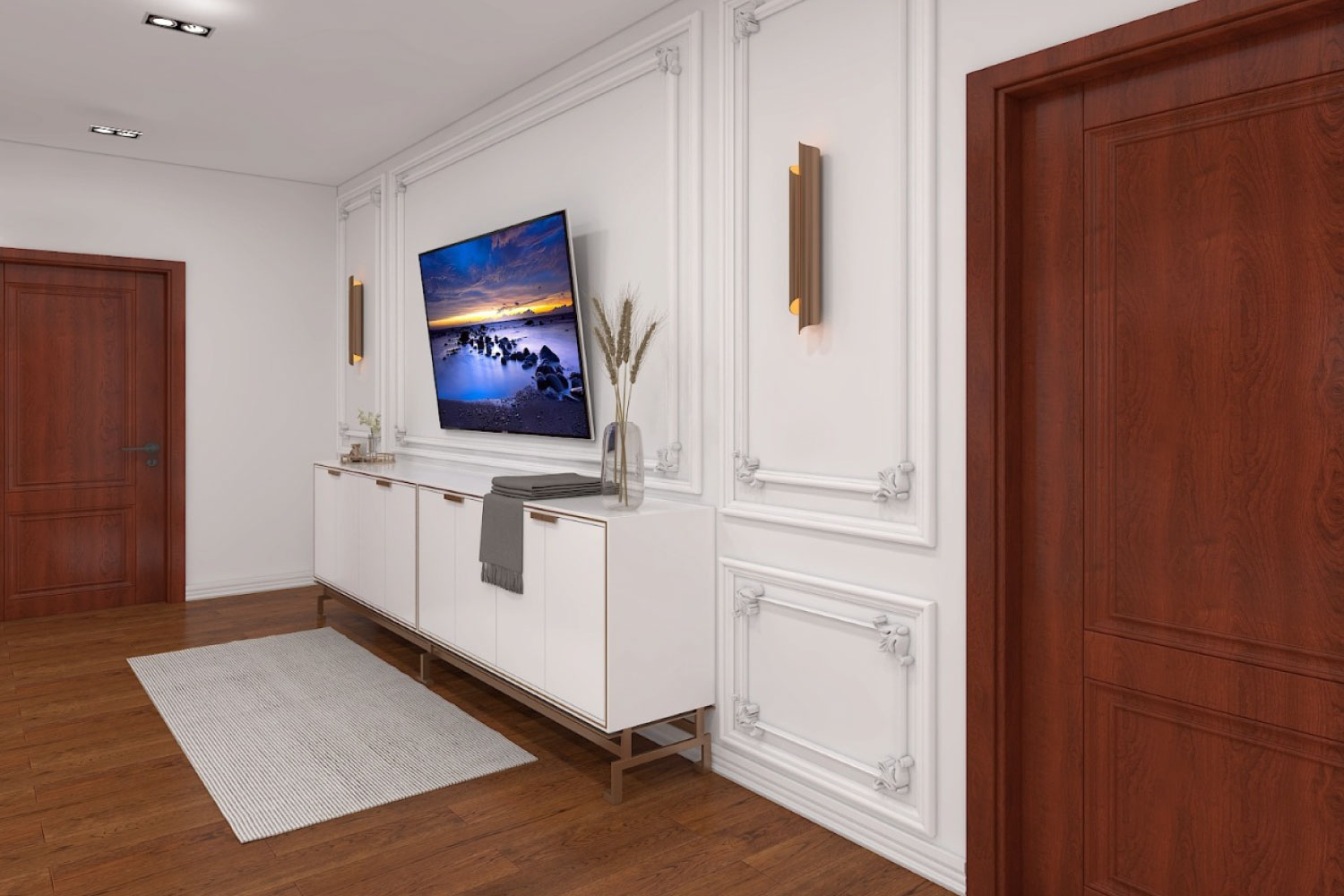
Exclusivity in Every Detail When your guests enter your Karen estate and admire that custom-designed entertainment unit with integrated Kenyan hardwood and contemporary metal accents, they’re witnessing something that exists nowhere else in the world. This level of exclusivity simply cannot be achieved through retail purchases, no matter the price point.
Investment Value That Appreciates Unlike mass-produced furniture that depreciates the moment you purchase it, bespoke interior design often increases your property’s value. Real estate agents in Nairobi’s premium markets report that homes with custom interior features command 15-25% higher prices than comparably sized properties with standard furnishings.
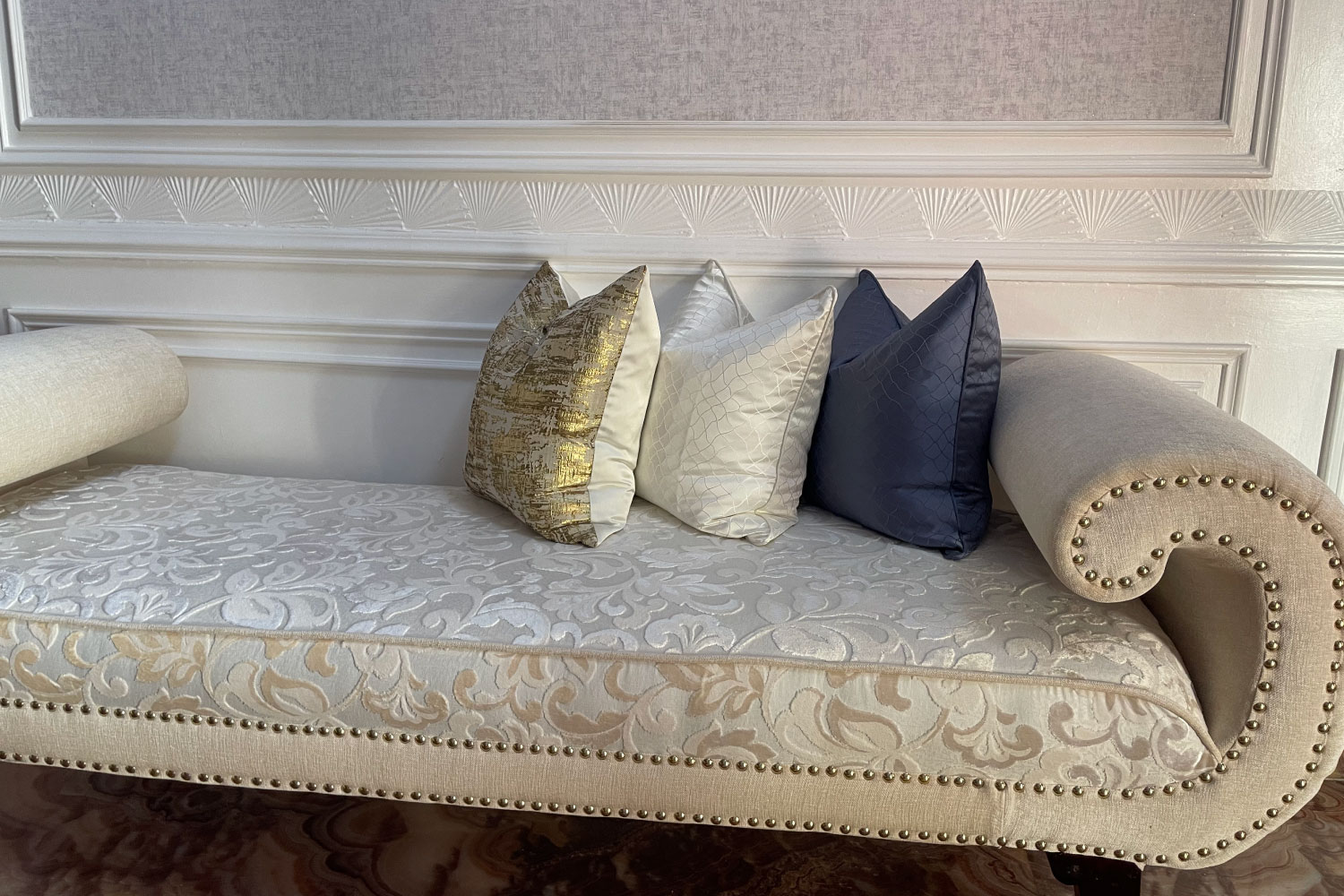
Cultural Integration Elite Nairobi homeowners understand the importance of honoring Kenyan heritage while embracing global sophistication. Bespoke design allows for the seamless integration of local artisan craftsmanship, indigenous materials, and cultural elements that tell your family’s story in ways that imported furniture never could.
1. Start with a Comprehensive Lifestyle Analysis
Before selecting a single material or color, successful homeowners work with their design team to conduct a thorough lifestyle audit. This process examines:
Implementation Tip: Create a detailed “day in the life” document that outlines how you currently use your space and how you envision using your new home. Share this with your interior designer during initial consultations.
2. Prioritize Quality Over Quantity in Material Selection
Elite homeowners understand that bespoke design isn’t about having more—it’s about having better. Rather than filling rooms with numerous pieces, they invest in fewer, exceptional items that serve multiple functions and stand the test of time.
Implementation Tip: Focus 70% of your budget on key statement pieces (custom cabinetry, built-in entertainment centers, bespoke lighting fixtures) and 30% on accent pieces that can be updated over time. This approach ensures lasting satisfaction and easier future updates.
3. Plan for Technological Evolution
Today’s elite homeowners design spaces that can adapt to future technological advances without requiring complete renovations. This means incorporating hidden wiring, modular entertainment systems, and flexible lighting solutions.
Implementation Tip: Work with your designer to create a “tech roadmap” for your home, identifying areas where technology might evolve over the next 5-10 years and designing flexible solutions that can accommodate changes.
One of our recent clients, a prominent Nairobi business executive, initially considered purchasing a luxury furniture set from a high-end European retailer. The total cost would have been approximately KSh 2.8 million.
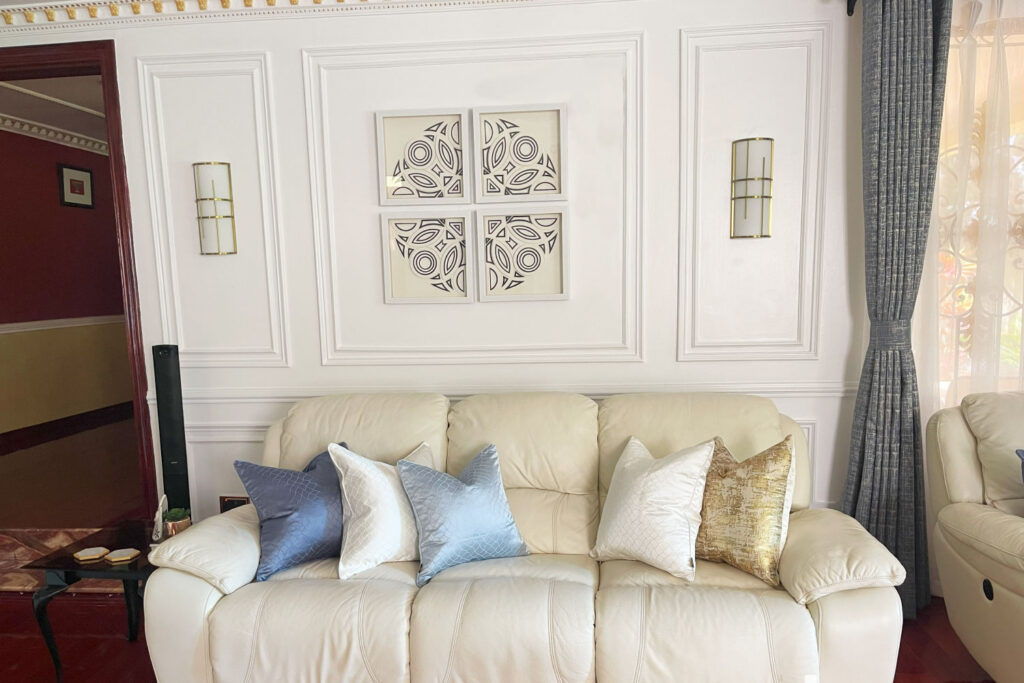
Instead, they invested KSh 3.5 million in a completely bespoke living room solution. The result? A space featuring:
Two years later, their home was featured in a prestigious international design magazine, and similar properties in their neighborhood now reference their design as the “gold standard.” The investment return extends far beyond monetary value—it’s become a cornerstone of their personal and professional reputation.
Another client faced the challenge of a compact master bedroom that needed to serve multiple functions: sleeping space, home office, and private retreat. Off-the-shelf solutions would have required choosing between functionality and elegance.
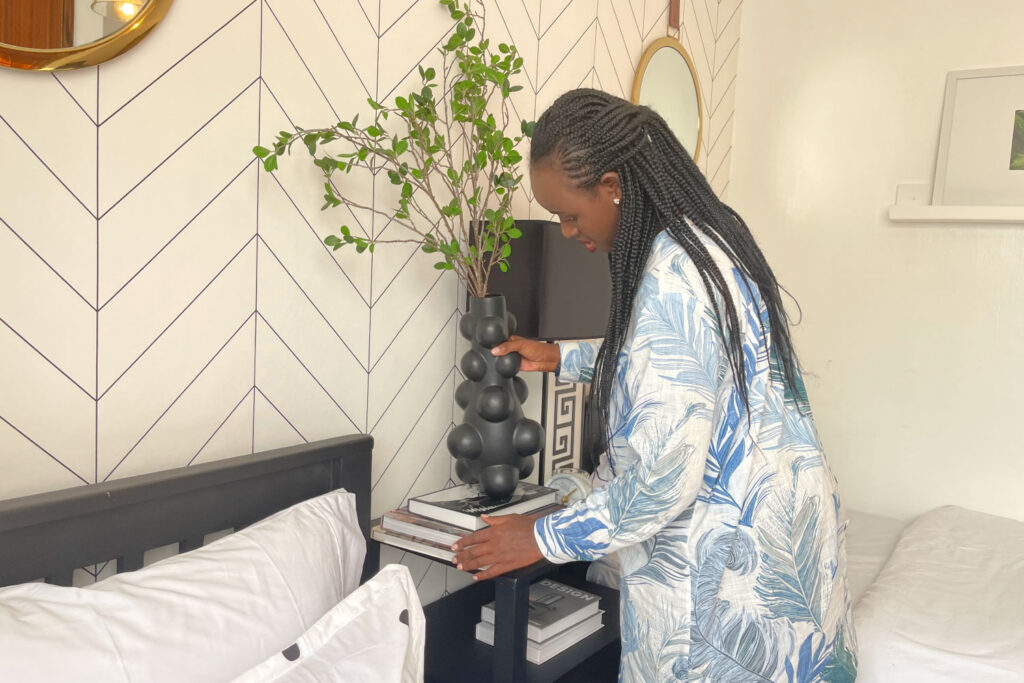
Our bespoke approach created:
The result transformed a challenging 25-square-meter space into a luxurious, multi-functional sanctuary that serves all their needs without compromise.
Choosing bespoke interior design isn’t just about creating beautiful spaces—it’s about crafting environments that enhance your life, reflect your values, and appreciate in both monetary and personal value over time.
For Nairobi’s elite, the decision between off-the-shelf and bespoke isn’t really a choice at all. It’s a recognition that their homes should be as unique, sophisticated, and successful as they are.
When you’re ready to create spaces that truly reflect your vision and lifestyle, the conversation begins with understanding your unique needs, aspirations, and the story you want your home to tell.
Our design consultations begin with understanding your vision and end with spaces that exceed your expectations. Let’s discuss how we can transform your house into a home that’s unmistakably, beautifully yours. For more insights on luxury interior design trends and tips for Nairobi homeowners, explore our Design Journal or schedule a private consultation to discuss your project.